Once a year, in a meeting room or a poolside sala at your Patong condo, a meeting happens that most tenants never see — and it decides things that reach directly into your monthly bills and your daily life. The air-conditioning levy, the pool hours, the parking rules, whether the building finally fixes the lift properly or patches it again: all of it is voted on at the Annual General Meeting of the co-owners, and the resolutions bind everyone who lives in the building, tenants included. Yet tenants, as a rule, are not in the room. This guide explains how the system actually works, in plain language: who votes and how their votes are weighted, what gets decided that can change your costs and your house rules in the middle of your lease, whether a tenant can ever attend, how to read the minutes afterwards, and how a renter stays informed through the one channel that always works — a good relationship with your landlord.

Photo: A residents meeting in progress — a group seated together, listening to a speaker. Credit: Caleb Oquendo, via Pexels.
Who Actually Votes: Owners, Weighted Votes and Proxies
A Thai condominium is owned collectively by its co-owners — the people whose names are on the unit title deeds — and the AGM is their meeting, run by the building's juristic person (the legal entity that manages the common property) with an elected committee overseeing things between meetings. Voting is not one-person-one-vote: each co-owner's voting power follows their share in the common property, which in practice tracks the size of their unit. The owner of a large three-bedroom unit carries more votes than the owner of a studio, and owners of several units carry the sum of their shares. Ordinary decisions pass by majority of the votes present; the bigger decisions — changing the building's registered rules, major spending, altering common areas — need larger majorities under the condominium law and the building's own regulations, and meetings need a minimum quorum of voting power represented before they can validly decide anything at all.
Two mechanics matter to tenants. The first is the proxy: a co-owner who cannot attend may appoint someone in writing to attend and vote in their place, and that someone can, in principle, be their own tenant. The second is timing: AGMs are usually held in the first part of the year, with extraordinary general meetings (EGMs) called whenever something cannot wait — a failed water system, a special repair levy, a rule that needs changing now. Notices go to co-owners, which is why tenants so often hear about a meeting only after it has happened: the building's legal duty to inform runs to its owners, and the tenant's information has to travel one step further, through the landlord.
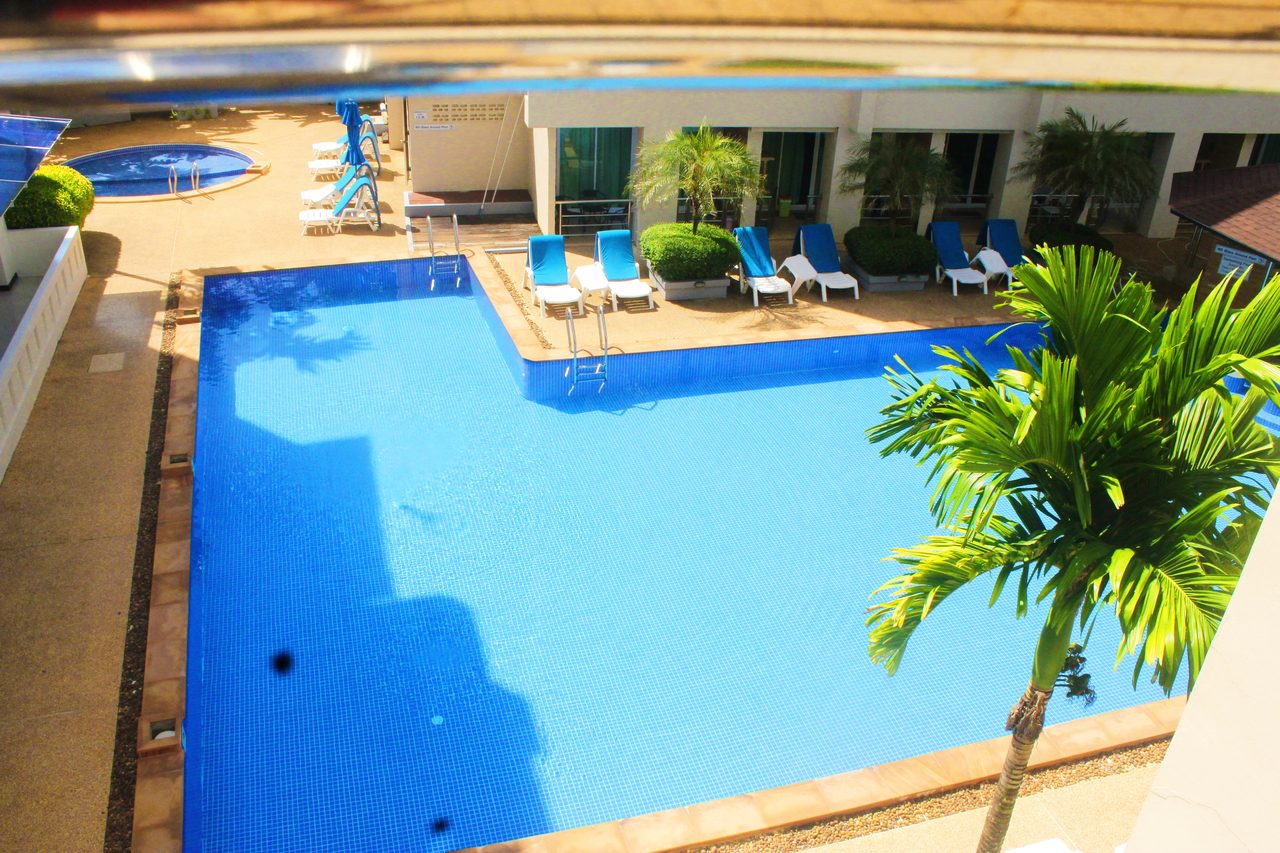
What Gets Decided That Lands on Your Bill and Your Doorstep
The single biggest item for most buildings is the CAM fee — the common area management charge, quoted per square metre of unit size per month, which pays for security, cleaning, gardening, pool and lift maintenance, common electricity and water, the juristic office staff and insurance. When an AGM votes the CAM rate up — and rates across Phuket have been drifting up as wages, electricity and materials cost more — every owner's monthly charge rises. Whether that rise reaches you depends on your lease: in many Patong long-stay leases the tenant pays the CAM as part of, or on top of, the rent, while in others the owner absorbs it. Either way, it is decided in that room, usually with a budget presentation showing exactly where the money went last year and why next year costs more.
Alongside the regular CAM sits the sinking fund — the building's reserve for big, infrequent repairs: roof work, lift replacement, repainting the whole building, new water tanks — and the special assessments that appear when the reserve is not enough. Then come the house rules, which is where votes touch daily life most directly: pool and gym hours, smoking areas, parking allocation and fees, where motorbikes may be parked, noise and renovation hours, rules about balconies and laundry, guest and visitor procedures, and how the building handles rentals themselves. The meeting also elects the committee that will oversee the juristic manager for the coming year, approves (or argues about) the audited accounts, and hears the manager's report on everything from arrears to the state of the fire system. A tenant who understands this list understands their building: nearly every rule you live under and every baht of common charge you pay traces back to a line in an AGM resolution.
Can a Tenant Attend? The Honest Answer
As a tenant, you have no right to attend or vote in your own name — the meeting belongs to the co-owners, and buildings are entitled to check names against the ownership register at the door. In practice, three doors are sometimes open. The first is the proxy: if your landlord lives overseas — as a great many Patong owners do — they may be glad to appoint you as their proxy, in writing, so their votes are cast by someone who actually lives with the consequences. It costs the owner nothing, it is a well-established mechanism, and owners who hold several units or who simply cannot travel often welcome it; if the idea appeals to you, ask well before the meeting, because the appointment has to be in the proper written form and lodged with the juristic office. The second door is invitation: some buildings allow tenants to sit in as observers for at least the open parts of a meeting, particularly long-stay tenants known to the office — it never hurts to ask the juristic manager politely. The third is simply the landlord who attends and reports back, which is most tenants' experience and works perfectly well when the relationship is good.
What a tenant cannot usefully do is treat the meeting as a complaints forum. Individual grievances — your tap, your neighbour, your parking spot — belong with the juristic office on any ordinary day, where they are usually handled faster and better than in a room full of owners working through an agenda. The AGM's power is collective and financial; the office's power is daily and practical. Knowing which door to knock on is most of condo diplomacy.
Between AGMs: Extraordinary Meetings and Why They Matter
Not everything waits for the annual meeting. When a building faces something urgent or expensive outside the yearly cycle — a lift that has failed its inspection, a water system that needs replacing before the high season, storm damage, a legal dispute — the committee can call an extraordinary general meeting, an EGM, at which co-owners vote on that single matter. EGMs follow the same ownership and proxy rules as the AGM, and their resolutions carry the same weight. For tenants, EGMs matter out of proportion to their frequency, because the things that trigger them are exactly the things that disrupt daily life: months of lift work, scaffolding for emergency repairs, or a special levy that a landlord may look to discuss at renewal time. A building that communicates well will announce an EGM on the notice board and through the office well in advance; a tenant plugged into the office and the notice board will hear about it in time to ask the landlord what is proposed and what it means for the unit.
There is also quieter machinery between meetings. The elected committee meets regularly through the year and can decide operational matters within the budget and rules the owners have already approved — engaging a new cleaning contractor, adjusting how the car park is policed, approving repairs up to a set limit. Committee decisions do not usually change your charges or your rights, but they shape the building's daily texture, and their outcomes tend to surface as juristic office announcements rather than formal minutes. Knowing this two-level rhythm — owners vote the money and the rules once a year, the committee steers between times, the juristic office runs the days — explains almost everything about how a Patong condo actually behaves.
Reading the Minutes Like a Local
After the meeting, the juristic person prepares formal minutes — the record of who attended, what was proposed, and what was resolved — and these are the document a tenant most wants to see. They are usually available from the juristic office, often posted on the lobby notice board or the building's owner portal, and your landlord can always obtain and share a copy. In many buildings the minutes are written in Thai, sometimes with an English summary; a phone translation app handles the formal language of minutes surprisingly well, and the juristic office will usually talk you through the headlines if you ask.
Read them in this order. First, the money resolutions: the CAM rate for the coming year (and the date it takes effect), any sinking-fund top-up or special assessment, and what it is for. Second, the rules resolutions: anything passed about parking, pets, smoking, pool hours, renovations or rentals — these become enforceable house rules, usually from a stated date, and they apply to you as an occupant whether or not they existed when you signed your lease. Third, the people: who was elected to the committee, and whether the juristic manager was reappointed — these names are your building's government for the year, and knowing them makes every future conversation at the office easier. Fourth, the forward look: planned works with dates (a repainting or lift overhaul means scaffolding and noise worth planning around), and any item recorded as deferred — deferred items have a habit of returning as next year's special assessment. Five minutes with the minutes, twice a year, and you will know more about your building's future than most of its owners do.
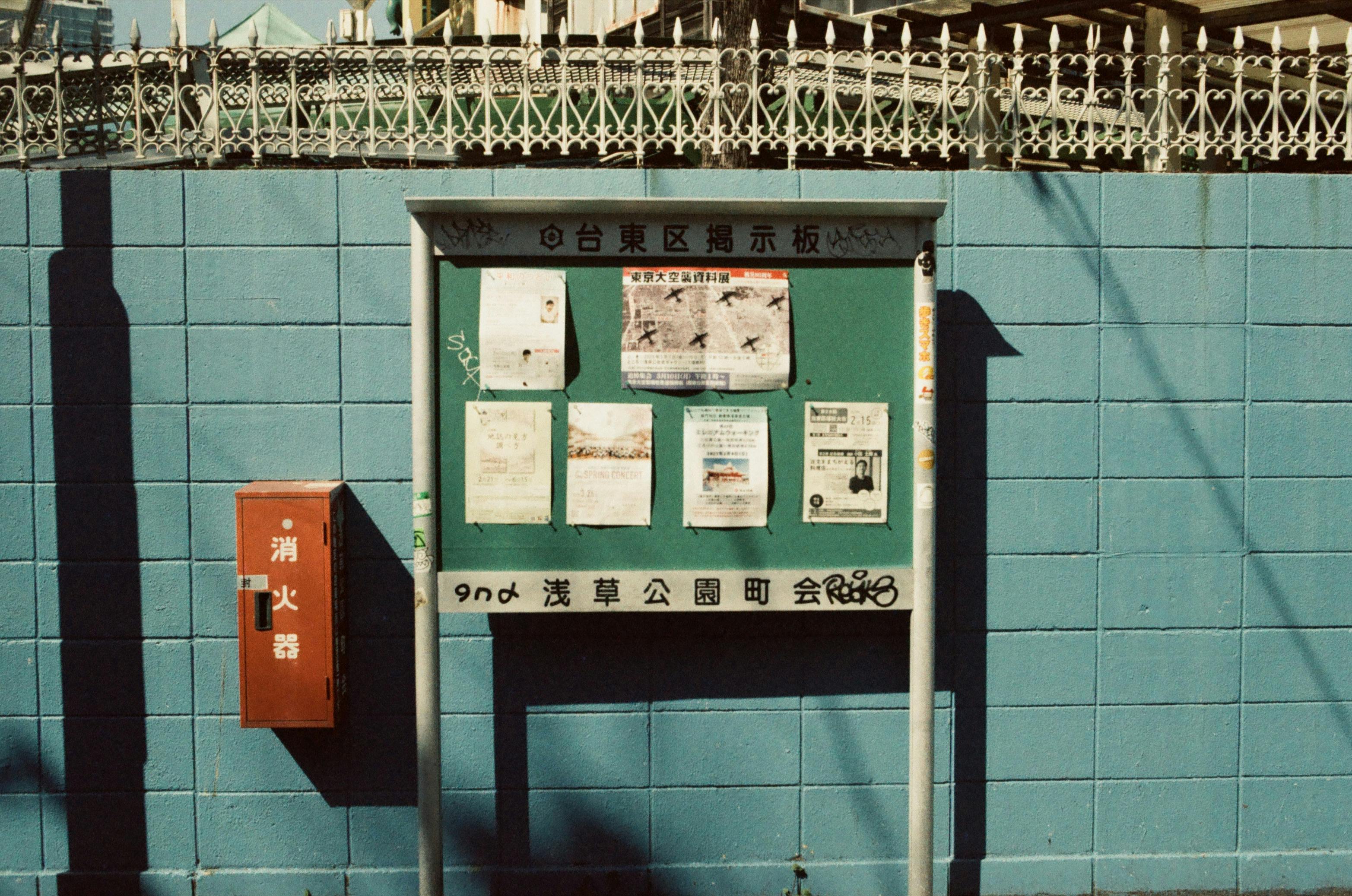
Photo: A notice board with papers pinned up — where meeting minutes and notices are posted. Credit: Dane Cardiel, via Pexels.
Staying Informed Without a Vote
The tenant's information system is unglamorous and effective. Start before you sign: ask the landlord and the juristic office when the AGM falls, what the current CAM rate is, whether an increase or special assessment is expected, and who pays what under the lease — a landlord who answers these questions straight is a landlord worth renting from, and the answers belong in writing in the lease itself wherever money is involved. During the stay, cultivate the juristic office. The staff manage the building daily, they know what the committee is discussing months before any vote, and a tenant who is polite, pays on time and registers properly will find the office remarkably forthcoming: notice-board announcements, building LINE groups and newsletters often reach engaged tenants at the same time as owners.
Then, if a vote does change something mid-lease — the CAM rises, the parking rules tighten, the pool hours move — handle it as a conversation, not a confrontation. House rules passed properly by the co-owners bind the building, and your lease almost certainly says you will follow the building's rules as they stand from time to time; that is normal everywhere in the world. Money is the place to talk: if your lease fixes your total monthly outgoings, an increase the owner did not warn you about is a fair subject for a friendly discussion about sharing or timing it, and most reasonable owners would rather keep a good long-stay tenant than win a small argument. The tenants who glide through AGM season are the ones who saw the changes coming, read the minutes, and raised anything that mattered early and pleasantly. A condo is a small democracy of owners with a large population of residents; you may not hold a vote, but nothing stops you being the best-informed person in the building.

Photo: A visitor talking with staff at a reception desk — ask the juristic office for the minutes. Credit: Cedric Fauntleroy, via Pexels.
About Jay & Scott — Jay and Scott are travelers and writers living in Thailand. We enjoy traveling around Thailand — the food, the beaches, the small towns — and writing about it as we go. Back home in Phuket we run Patong Harbor View Condominium, our long-stay condo rentals in Patong. Have a look at the room photos, then come stay a while: www.phvcondo.com.
Once a year, in a meeting room or a poolside sala at your Patong condo, a meeting happens that most tenants never see — and it decides things that reach directly into your monthly bills and your daily life. The air-conditioning levy, the pool hours, the parking rules, whether the building finally fixes the lift properly or patches it again: all of it is voted on at the Annual General Meeting of the co-owners, and the resolutions bind everyone who lives in the building, tenants included. Yet tenants, as a rule, are not in the room. This guide explains how the system actually works, in plain language: who votes and how their votes are weighted, what gets decided that can change your costs and your house rules in the middle of your lease, whether a tenant can ever attend, how to read the minutes afterwards, and how a renter stays informed through the one channel that always works — a good relationship with your landlord.
Who Actually Votes: Owners, Weighted Votes and Proxies
A Thai condominium is owned collectively by its co-owners — the people whose names are on the unit title deeds — and the AGM is their meeting, run by the building's juristic person (the legal entity that manages the common property) with an elected committee overseeing things between meetings. Voting is not one-person-one-vote: each co-owner's voting power follows their share in the common property, which in practice tracks the size of their unit. The owner of a large three-bedroom unit carries more votes than the owner of a studio, and owners of several units carry the sum of their shares. Ordinary decisions pass by majority of the votes present; the bigger decisions — changing the building's registered rules, major spending, altering common areas — need larger majorities under the condominium law and the building's own regulations, and meetings need a minimum quorum of voting power represented before they can validly decide anything at all.
Two mechanics matter to tenants. The first is the proxy: a co-owner who cannot attend may appoint someone in writing to attend and vote in their place, and that someone can, in principle, be their own tenant. The second is timing: AGMs are usually held in the first part of the year, with extraordinary general meetings (EGMs) called whenever something cannot wait — a failed water system, a special repair levy, a rule that needs changing now. Notices go to co-owners, which is why tenants so often hear about a meeting only after it has happened: the building's legal duty to inform runs to its owners, and the tenant's information has to travel one step further, through the landlord.
What Gets Decided That Lands on Your Bill and Your Doorstep
The single biggest item for most buildings is the CAM fee — the common area management charge, quoted per square metre of unit size per month, which pays for security, cleaning, gardening, pool and lift maintenance, common electricity and water, the juristic office staff and insurance. When an AGM votes the CAM rate up — and rates across Phuket have been drifting up as wages, electricity and materials cost more — every owner's monthly charge rises. Whether that rise reaches you depends on your lease: in many Patong long-stay leases the tenant pays the CAM as part of, or on top of, the rent, while in others the owner absorbs it. Either way, it is decided in that room, usually with a budget presentation showing exactly where the money went last year and why next year costs more.
Alongside the regular CAM sits the sinking fund — the building's reserve for big, infrequent repairs: roof work, lift replacement, repainting the whole building, new water tanks — and the special assessments that appear when the reserve is not enough. Then come the house rules, which is where votes touch daily life most directly: pool and gym hours, smoking areas, parking allocation and fees, where motorbikes may be parked, noise and renovation hours, rules about balconies and laundry, guest and visitor procedures, and how the building handles rentals themselves. The meeting also elects the committee that will oversee the juristic manager for the coming year, approves (or argues about) the audited accounts, and hears the manager's report on everything from arrears to the state of the fire system. A tenant who understands this list understands their building: nearly every rule you live under and every baht of common charge you pay traces back to a line in an AGM resolution.
Can a Tenant Attend? The Honest Answer
As a tenant, you have no right to attend or vote in your own name — the meeting belongs to the co-owners, and buildings are entitled to check names against the ownership register at the door. In practice, three doors are sometimes open. The first is the proxy: if your landlord lives overseas — as a great many Patong owners do — they may be glad to appoint you as their proxy, in writing, so their votes are cast by someone who actually lives with the consequences. It costs the owner nothing, it is a well-established mechanism, and owners who hold several units or who simply cannot travel often welcome it; if the idea appeals to you, ask well before the meeting, because the appointment has to be in the proper written form and lodged with the juristic office. The second door is invitation: some buildings allow tenants to sit in as observers for at least the open parts of a meeting, particularly long-stay tenants known to the office — it never hurts to ask the juristic manager politely. The third is simply the landlord who attends and reports back, which is most tenants' experience and works perfectly well when the relationship is good.
What a tenant cannot usefully do is treat the meeting as a complaints forum. Individual grievances — your tap, your neighbour, your parking spot — belong with the juristic office on any ordinary day, where they are usually handled faster and better than in a room full of owners working through an agenda. The AGM's power is collective and financial; the office's power is daily and practical. Knowing which door to knock on is most of condo diplomacy.
Between AGMs: Extraordinary Meetings and Why They Matter
Not everything waits for the annual meeting. When a building faces something urgent or expensive outside the yearly cycle — a lift that has failed its inspection, a water system that needs replacing before the high season, storm damage, a legal dispute — the committee can call an extraordinary general meeting, an EGM, at which co-owners vote on that single matter. EGMs follow the same ownership and proxy rules as the AGM, and their resolutions carry the same weight. For tenants, EGMs matter out of proportion to their frequency, because the things that trigger them are exactly the things that disrupt daily life: months of lift work, scaffolding for emergency repairs, or a special levy that a landlord may look to discuss at renewal time. A building that communicates well will announce an EGM on the notice board and through the office well in advance; a tenant plugged into the office and the notice board will hear about it in time to ask the landlord what is proposed and what it means for the unit.
There is also quieter machinery between meetings. The elected committee meets regularly through the year and can decide operational matters within the budget and rules the owners have already approved — engaging a new cleaning contractor, adjusting how the car park is policed, approving repairs up to a set limit. Committee decisions do not usually change your charges or your rights, but they shape the building's daily texture, and their outcomes tend to surface as juristic office announcements rather than formal minutes. Knowing this two-level rhythm — owners vote the money and the rules once a year, the committee steers between times, the juristic office runs the days — explains almost everything about how a Patong condo actually behaves.
Reading the Minutes Like a Local
After the meeting, the juristic person prepares formal minutes — the record of who attended, what was proposed, and what was resolved — and these are the document a tenant most wants to see. They are usually available from the juristic office, often posted on the lobby notice board or the building's owner portal, and your landlord can always obtain and share a copy. In many buildings the minutes are written in Thai, sometimes with an English summary; a phone translation app handles the formal language of minutes surprisingly well, and the juristic office will usually talk you through the headlines if you ask.
Read them in this order. First, the money resolutions: the CAM rate for the coming year (and the date it takes effect), any sinking-fund top-up or special assessment, and what it is for. Second, the rules resolutions: anything passed about parking, pets, smoking, pool hours, renovations or rentals — these become enforceable house rules, usually from a stated date, and they apply to you as an occupant whether or not they existed when you signed your lease. Third, the people: who was elected to the committee, and whether the juristic manager was reappointed — these names are your building's government for the year, and knowing them makes every future conversation at the office easier. Fourth, the forward look: planned works with dates (a repainting or lift overhaul means scaffolding and noise worth planning around), and any item recorded as deferred — deferred items have a habit of returning as next year's special assessment. Five minutes with the minutes, twice a year, and you will know more about your building's future than most of its owners do.
Staying Informed Without a Vote
The tenant's information system is unglamorous and effective. Start before you sign: ask the landlord and the juristic office when the AGM falls, what the current CAM rate is, whether an increase or special assessment is expected, and who pays what under the lease — a landlord who answers these questions straight is a landlord worth renting from, and the answers belong in writing in the lease itself wherever money is involved. During the stay, cultivate the juristic office. The staff manage the building daily, they know what the committee is discussing months before any vote, and a tenant who is polite, pays on time and registers properly will find the office remarkably forthcoming: notice-board announcements, building LINE groups and newsletters often reach engaged tenants at the same time as owners.
Then, if a vote does change something mid-lease — the CAM rises, the parking rules tighten, the pool hours move — handle it as a conversation, not a confrontation. House rules passed properly by the co-owners bind the building, and your lease almost certainly says you will follow the building's rules as they stand from time to time; that is normal everywhere in the world. Money is the place to talk: if your lease fixes your total monthly outgoings, an increase the owner did not warn you about is a fair subject for a friendly discussion about sharing or timing it, and most reasonable owners would rather keep a good long-stay tenant than win a small argument. The tenants who glide through AGM season are the ones who saw the changes coming, read the minutes, and raised anything that mattered early and pleasantly. A condo is a small democracy of owners with a large population of residents; you may not hold a vote, but nothing stops you being the best-informed person in the building.
About Jay & Scott — Jay and Scott are travelers and writers living in Thailand. We enjoy traveling around Thailand — the food, the beaches, the small towns — and writing about it as we go. Back home in Phuket we run Patong Harbor View Condominium, our long-stay condo rentals in Patong. Have a look at the room photos, then come stay a while: www.phvcondo.com.


No comments:
Post a Comment