Saturday, October 17, 2026

Power Cuts, Water Cuts and Storm Days: The Patong Condo Survival Kit

Patong condo rentals from 20,000 baht/month, pool, gym, 5 minutes to the beach. Call +66800528082

Ask a Patong long-stayer about power and water cuts and you will usually get a shrug — not because they never happen, but because residents learn the rhythm quickly and keep a few basics on hand. Cuts here are measured in hours, not days, and with a small kit and a little local knowledge they become an excuse for a candlelit evening rather than a ruined day.

How Often Cuts Actually Happen, and Why

Most cuts in Patong fall into two predictable buckets:

  • Planned maintenance. The electricity and water authorities schedule works — upgrading lines, cleaning tanks, repairing pumps — and buildings post notices in the lobby and lifts, usually a day or two ahead, often with the expected hours ("09:00–13:00"). These are the majority of cuts, and they are genuinely announced; the trick is simply to read the notice board.
  • Monsoon weather. In the wet season (roughly May to October), heavy storms can drop power briefly — a flicker, or an outage of an hour or two while a fallen branch is cleared. Water pressure can dip during the heaviest rain as well.

True multi-day failures are rare in Patong town. If your power is out but the streetlights are on, it is often just your building — a tripped breaker or local works — and a word with the front desk sorts it faster than waiting.

The Kit: What to Keep in the Condo

None of this is expensive, and most of it is useful all year round:

  1. Drinking water buffer. Keep one large bottle (5–6 litres) in reserve beyond your daily supply. Water refill stations are on every street in Patong, so restocking is a two-minute job on any normal day.
  2. A real power bank. 20,000 mAh keeps a phone alive for days — your phone is your torch, your hotspot, your map and your lifeline. Charge it after every use, not when the lights go out.
  3. Lights. A rechargeable LED lantern or two beats candles for safety and actually lights a room. Keep one in the kitchen, one by the bed.
  4. A small torch by the door for stairwells and breaker boxes.
  5. Cash in small notes. Card machines and ATMs die with the power; the noodle shop with a gas stove does not.

When the Power Goes: The Fridge Rules

The fridge is where a short cut can quietly cost you money, and the rules are simple:

  • Keep the door shut. An unopened fridge holds safe temperatures for about 4 hours. Every peek to "check" lets the cold out and shortens that window, so decide what you need before opening, once.
  • Freezers forgive. A full freezer holds for roughly 48 hours unopened, a half-full one about 24 — far longer than any cut you are likely to meet here.
  • The 2-hour rule for food left out. Cooked food and perishables sitting at room temperature for more than 2 hours should go, especially in tropical heat. When in doubt, throw it out — a replacement meal in Patong costs less than a day of food poisoning.
  • Ice helps. A couple of frozen water bottles in the fridge double as cold packs during a cut and drinking water afterwards.

Staying Comfortable Without Air-Con for a Few Hours

The prospect worries newcomers more than the reality. Buildings hold their cool well for the first hours, especially with curtains drawn against the sun. A battery or USB fan moves enough air to sleep by, and a cool shower before bed drops your body temperature better than anything. If the outage is a long planned one, do what the locals do: relocate. Cafés, malls like Jungceylon, and the beach breeze are all air-conditioned (or sea-cooled) ways to spend the middle of the day — cuts are a fine excuse for a long lunch.

Water Cuts: Less Drama Than They Sound

When the water goes off, it is usually a pump or tank issue and usually fixed within hours. Buildings with roof tanks often keep gravity-fed pressure for a while after the mains stop. Practical habits: keep your reserve bottle for drinking, keep a bucket filled in the bathroom during announced cuts (for flushing), and save showers for after the announced restoration time rather than racing the clock. Management will tell you plainly if it is a long job — ask at the desk.

Your Phone Is the Command Centre

Keep your phone charged and your data package healthy — during any cut it is your news source, your torch and your connection to building updates. Many condo buildings and hosts now announce cuts and restorations in LINE or WhatsApp groups; join yours when you move in. Save offline copies of anything important (bookings, documents) so a dead router never locks you out of your own information.

Storm-Day Checks Around the Unit

Wet season rewards a two-minute routine when heavy weather is coming:

  • Balcony: bring in or secure anything light, and check the balcony drain is clear — most "flooding" in condos is a blocked balcony drain backing up under the door.
  • Doors and windows: check they latch properly; wind-driven rain finds any gap. A towel along the balcony door track on the worst nights is an old resident trick that works.
  • Move things up. Anything precious on the floor near the balcony door goes on a shelf during a storm night.
  • Unplug the good electronics if lightning is close and you have no surge protection.

What Management Usually Provides

In a decent building you are not on your own: emergency lighting in corridors and stairwells runs on backup, the front desk knows the authority's expected restoration time (and will tell you if you ask), and maintenance will check your unit's breaker box if your neighbours have power and you do not. For water, many buildings keep reserve tanks that see residents through short cuts without anyone noticing.

Patong's infrastructure hiccups are part of tropical living, and they are genuinely minor once you have a water bottle, a power bank and a lantern in the cupboard. Prepare once, in ten minutes, and storm days become what they are for most residents here: a dramatic sky, a quiet building, and a good excuse to do nothing at all.

Book Direct & Save 20% — reserve your Patong condo stay directly at phvcondo.com

Call or WhatsApp: +66800528082

The Condo Desk Setup: Working Full-Time From a Patong Rental

Patong condo rentals from 20,000 baht/month, pool, gym, 5 minutes to the beach. Call +66800528082

Working full-time from a rented condo in Patong is not a compromise — done right, it is one of the best-value work setups in Asia. You get fibre internet, cheap data, good coffee within walking distance, and a swim in the pool at lunch. The gap between a miserable laptop-on-the-bed month and a genuinely productive one comes down to a handful of setup decisions in your first few days.

Choosing Your Spot in the Unit

Most furnished condos give you a dining table, a sofa and a balcony — your job is to turn one of them into a desk and keep it sacred.

  • Light: Face a window if you can, but never sit with a bright window directly behind you (you will be a silhouette on every call) or directly in front (glare on the screen by 10 AM). Side light is the sweet spot.
  • Air-conditioning: You will run it all workday, so pick the spot the AC actually reaches. Fighting a hot corner of the room for eight hours is exhausting in a way you only notice at 4 PM.
  • Outlets: Count them before you commit to a corner. You need at least three within cable reach — laptop, monitor, phone — or a power strip with surge protection becomes your first purchase.
  • Separation: If the unit has a spare nook, hallway end or dressing area, take it. A "desk" that is also your dinner table and TV tray blurs the day; even a small dedicated corner keeps work and rest apart.

Ergonomics in a Furnished Unit

You are unlikely to find a proper office chair in a rental, but you can get 90 percent of the way there:

  1. Chair fixes. A dining chair plus a firm cushion on the seat and a rolled towel or small pillow behind your lower back is surprisingly workable for months. If you are staying a season, a mesh office chair from Big C or Central costs little, transforms your back, and can be resold or left behind without tears.
  2. Screen height. A laptop at table height guarantees a sore neck. A folding laptop stand (a few hundred baht) lifts the screen to eye level — pair it with any external keyboard and mouse.
  3. External monitor. The single biggest productivity upgrade. A 24-inch monitor from the electronics floors at Central Festival or Jungceylon costs far less than most people expect, plugs into any modern laptop, and makes spreadsheets, design work and split-screen calls effortless. For a stay of three months or more it pays for itself in comfort alone.
  4. Feet flat, elbows at ninety degrees. Old advice, still true. A shoebox under your feet beats an expensive chair used badly.

Internet: The Reality on the Ground

Phuket's fixed internet is genuinely good. Most condos run fibre at 200–500 Mbps, and many buildings have upgraded further. What matters more than the headline speed:

  • Test at your working hours. Run a speed check in the evening peak (7–10 PM) as well as the morning. A connection that flies at 9 AM and crawls at 8 PM is fine for a 9-to-5 worker, less so for someone on European hours.
  • Know the router. Ask where it is and how to restart it. Half of all "internet problems" in condos are a router that needs a power cycle.
  • Backup mobile data is non-negotiable. Thailand's mobile networks are fast and cheap. An AIS or True SIM with a monthly data package in your phone gives you an instant hotspot failover. Set it up before you need it: the day the building internet dies mid-call is the wrong day to discover your phone plan has no data.
  • Failover habit: hotspot on, rejoin the call, apologise once, carry on. Colleagues forgive a 30-second drop; they remember a disappearance.

Power Protection

Phuket's power is reliable by regional standards, but tropical storms and building maintenance mean occasional flickers and brief cuts. A small UPS (uninterruptible power supply) for your router and monitor keeps you online through the flickers and gives you time to save work in a real cut — a modest one from any electronics shop covers a desk setup easily. At minimum, run everything through a surge-protected power strip; storm-season voltage spikes are the quiet killer of chargers and monitors.

Calls, Backgrounds and Noise

For video calls, a plain wall or a tidy corner of the room behind you reads as professional anywhere in the world. Test your framing once: you want your face lit from the front or side, not glowing from a window behind. Patong's daytime street noise rarely penetrates a closed window on an upper floor, but if your unit faces a busy road, schedule around it — the noisiest hour is usually early evening, and a decent USB headset microphone rejects far more background sound than laptop mics do.

Keeping Your Gear Secure

Condo living in Phuket is safe, but good habits cost nothing: lock the unit when you go out (obvious, but balcony doors on high floors get forgotten), keep the laptop out of sight from the balcony when you are away, and back up to the cloud nightly — set it to automatic and never think about it again. If you travel for a weekend, take the laptop or use the room safe if your unit has one.

The Backup Plan: Coworking Days

Even the best condo setup benefits from a change of scene. Phuket has coworking spaces in and around Patong and plenty more in Phuket Town and the Cherng Talay area — useful on days when the building is doing noisy maintenance, the AC is being serviced, or you simply want other humans around. Think of it as insurance, not a replacement: your condo desk is home base, and the coworking day pass is there when home base has a bad day.

Set up in your first 48 hours — spot chosen, screen raised, hotspot tested, surge strip in place — and the rest of your working stay in Patong mostly takes care of itself: fast internet, low costs, and a beach at the end of the workday.

Book Direct & Save 20% — reserve your Patong condo stay directly at phvcondo.com

Call or WhatsApp: +66800528082
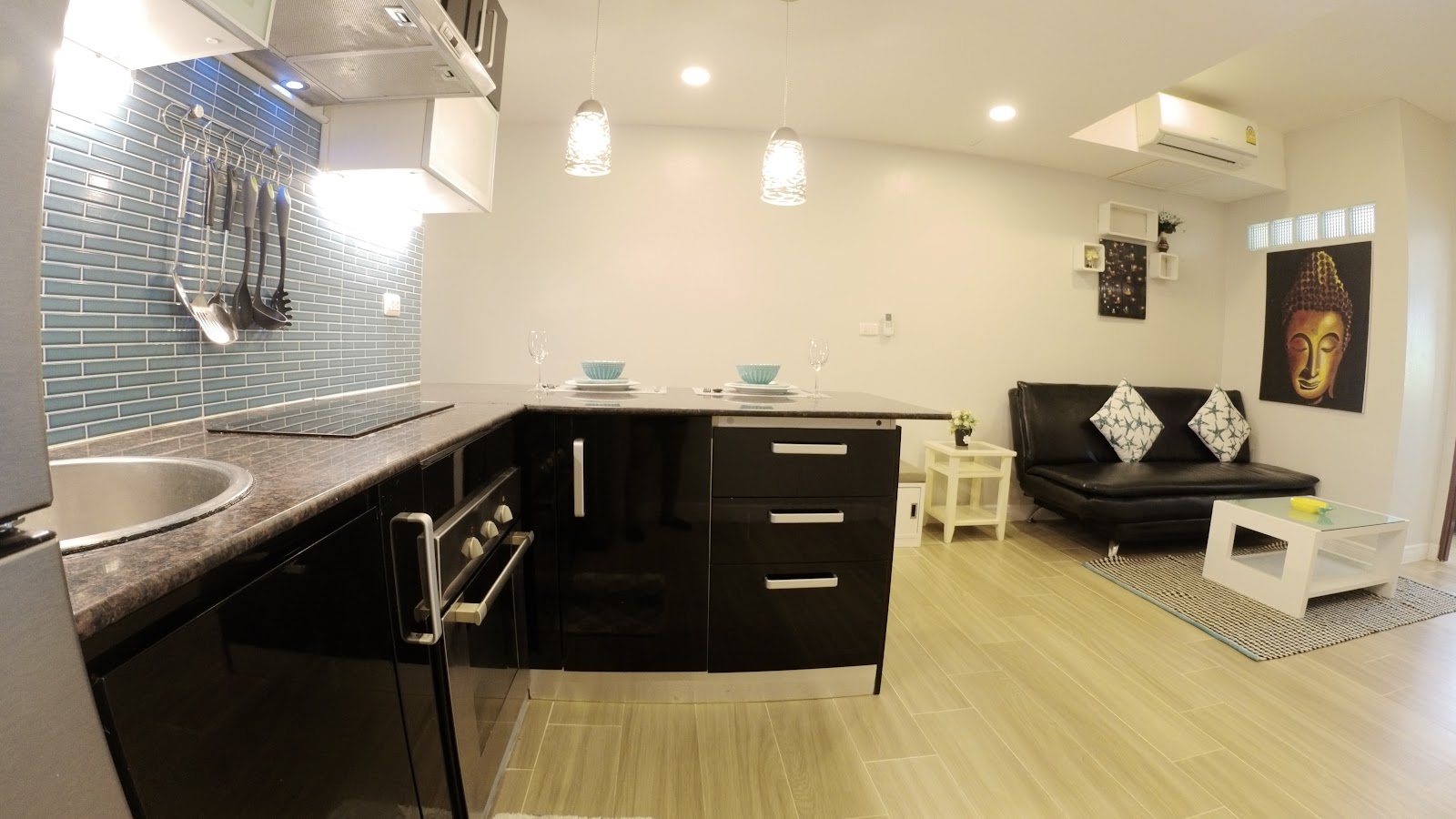
Living With Patong Noise: Floors, Facings and Streets That Sleep

Patong condo rentals from 20,000 baht/month, pool, gym, 5 minutes to the beach. Call +66800528082

Patong has a reputation for noise, and parts of it earn that reputation honestly. But the town is not one volume level. A condo on a high floor at the quiet end of town can be genuinely peaceful, while a low room facing the entertainment strip can keep you up until the early hours. The trick is knowing which variables actually matter — and most of them are knowable before you ever arrive.

The Three Things That Decide Your Noise Level

Floor height. Sound from the street drops off noticeably as you climb. A room on the second floor hears motorbikes, tuk-tuks and bar music at nearly full strength. By the fifth or sixth floor, the same street is a murmur. Higher floors also catch the breeze better, which matters because a good cross-draught lets you sleep with windows closed and the fan on — the single most effective combination there is.

Building facing. A unit that faces the street takes the noise head-on. One that faces inward — toward a pool, a courtyard or the mountain behind town — can be dramatically quieter even in the same building. Rear-facing rooms on Nanai Road, for example, often back onto green hillside and hear almost nothing after midnight. If you can choose, choose the side away from the road every time.

Distance from the entertainment core. Bangla Road and its side streets are the engine of Patong's nightlife noise, and the effect falls off fast with distance. A few hundred metres makes a real difference. The north end of town toward Kalim, the southern streets below the big resorts, and the residential lanes off Nanai Road all sleep much better than the blocks immediately around the strip.

Patong's Quieter Pockets

Long-term residents tend to cluster in a few areas precisely because they are calm at night:

  • Nanai Road and its side sois — the town's main residential spine. Lively by day with cafés and small shops, settled by night, and full of condos aimed at people who actually live here.
  • The south end, past the main beach road hotels — bigger resort buffers, wider streets, and far less bar spill.
  • The Kalim end (north) — a short ride from the beach but a different world after dark, with sea views and local restaurants.
  • Streets climbing toward the hills — elevation helps twice: distance from the strip and cleaner air movement for sleeping.

Sleep Fixes That Actually Work

Even in a reasonably quiet unit, tropical towns have tropical sounds — a dawn rooster somewhere, a delivery bike, rain hammering the roof in monsoon season. Residents swear by a few simple layers:

  1. A fan or air-con hum. Steady background sound masks the irregular noises that actually wake you. Most people find the air-con's own fan setting does the job.
  2. Foam earplugs for the first few nights in any new place. Cheap, available at every pharmacy and 7-Eleven, and usually unnecessary after the first week.
  3. White-noise apps on your phone — rain sounds are a popular choice because they blend with the real thing in wet season.
  4. Blackout curtains doing double duty. Heavy lined curtains block the early tropical sunrise (it is light by 6:30 AM much of the year) and they noticeably damp outside sound too. If your unit lacks them, ask — many managers will fit them for long stays.
  5. Bedroom placement. In larger units, sleep in the room furthest from the street side. It sounds obvious, but people routinely set up in the front room out of habit and suffer for it.

If It Is Still Too Loud: Management Before Moving

If you have landed somewhere noisier than promised, talk to the building management or your host before doing anything drastic. Condo buildings often have a quieter unit free on a higher floor or the rear side, and a swap mid-stay is a normal, unembarrassing request — especially for monthly guests. Be specific: "the music from the bar opposite reaches my room until 3 AM" gets a better response than "it's noisy." Most managers would rather move you than lose you.

The Honest Truth: Most People Adapt Within a Week

Ask anyone who has lived in Patong for a season and they will tell you the same thing: the first three or four nights feel loud, and then your brain files the town's sounds under "background" and you sleep through them. The people who never adapt are usually the ones fighting one specific, fixable problem — a room directly over a bar, a window that does not seal, a bed against the street wall. Fix the specific problem and the town becomes easy to sleep in.

Pre-Booking Checklist: Questions Worth Asking

Before you commit to a unit, ask:

  • Which floor is it on, and which way does it face?
  • How far is it, honestly, from Bangla Road?
  • Do the windows and sliding doors seal properly, and are there blackout curtains in the bedroom?
  • Is there a bar, karaoke or late-night venue in the same building or directly opposite?
  • If the unit turns out too loud, could I swap to a quieter one?

A host who answers those questions straight is a host you can trust with the rest of your stay. Patong rewards people who pick their spot with a little care — choose the right floor, the right facing and the right street, and the famous nightlife becomes something you visit when you feel like it, not something that visits you at 2 AM.

Book Direct & Save 20% — reserve your Patong condo stay directly at phvcondo.com

Call or WhatsApp: +66800528082
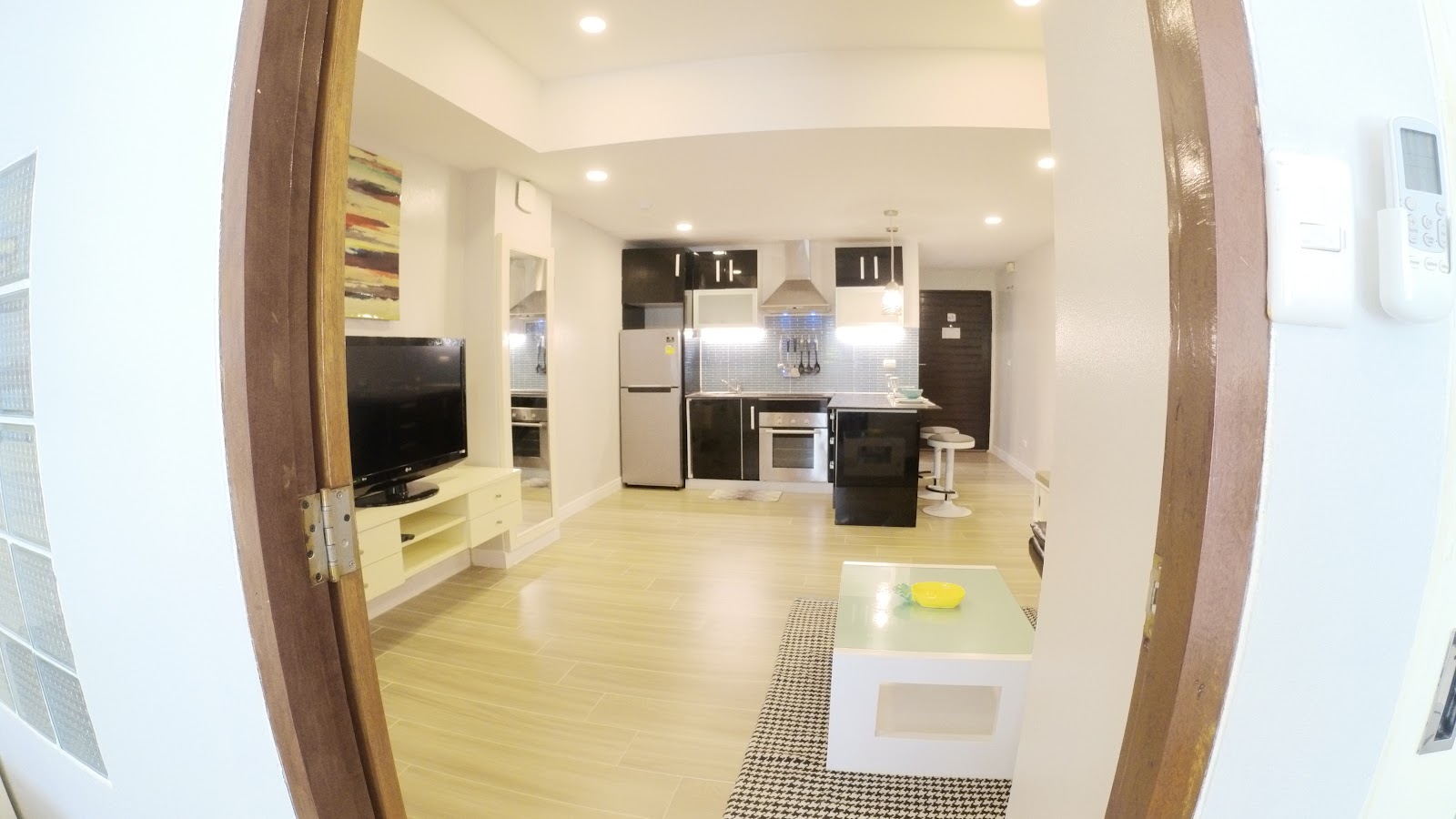
Friday, October 16, 2026

Laundry in Patong Without the Headache: Wash-by-the-Kilo Shops, Self-Service Machines, and Drying Clothes in Phuket's Humidity

Patong condo rentals from 20,000 baht/month, pool, gym, 5 minutes to the beach. Call +66800528082

Stay in Patong for a month and laundry stops being a holiday puzzle and becomes part of the weekly rhythm — and a very manageable one. Phuket's heat means light clothes worn once need washing, gym kit multiplies, and swimwear seems to live permanently on the balcony rail. The town is built for this: laundry shops on nearly every street, modern self-service laundromats, and pick-up services aimed at long-stay residents. Here is how each option works, what it typically costs, and how to dry everything properly in air that sometimes feels wetter than the sea.

Wash-and-Fold by the Kilo: The Easy Default

For most long-stayers, the neighbourhood laundry shop wins. You drop off a bag, they weigh it, wash, dry, fold and often lightly iron it, and you collect it the next day wrapped and smelling wonderful. Standard wash-and-fold typically runs around ฿40 to ฿60 per kilo for a next-day service, with small variations by street and season. A week's clothes for two people usually weighs three to five kilos, so the maths is kind.

Getting started is easy: ask the shop to weigh the bag in front of you, agree the price and collection time, and take the ticket or a photo of it. If you have items that need gentle handling, say so and bag them separately. Shops around the condo streets listed on Patong Condos do brisk trade with residents, and once you are a regular, turnaround often gets faster and the folding gets suspiciously perfect.

Self-Service Laundromats: Cheap, Fast, Yours

If you prefer to wash your own things — or have a load that needs doing right now — Patong's self-service laundromats are excellent. Rows of front-loaders and big dryers, open early to late (many around the clock), paid by coin or QR scan. A wash cycle typically runs around ฿30 to ฿60 depending on machine size, with dryers charged in timed blocks of roughly ฿10 per ten minutes or so. Detergent is sold in single-shot sachets from a vending box if you forget yours.

The whole job takes under ninety minutes, the machines are big enough for bedding and towels, and there is usually seating, Wi-Fi and a 7-Eleven within stumbling distance. It is also the safest home for anything you do not want mixed with a general shop wash: sports kit on a hot cycle, whites you want kept truly white, delicates on a gentle programme.

Turnaround, Express Fees and the Hotel Markup Trap

Standard service at a local shop means next-day collection; same-day or express usually costs half as much again, and is worth it only when a flight or a special shirt demands it. Ask when the load actually goes in — a bag dropped at 6 pm for "tomorrow" may mean tomorrow evening, not morning.

One route to avoid: laundry priced per item through hotels and some serviced buildings. A single shirt can cost what a whole kilo costs at the shop downstairs, and a month of it adds up to a number that buys very nice dinners instead. Unless your building's service is unusually fair, walk the extra fifty metres. Your condo's own machines, if it has a laundry room, sit somewhere in the middle — convenient for small loads between shop runs.

Talking to the Shop: Sorting and Small Requests

A minute of clarity at drop-off prevents every known laundry heartbreak. Separate whites from colours if you care about either — shops wash mixed bags as mixed bags. Point out stains worth treating, empty your pockets (everyone forgets once), and say if anything must not go in the dryer. Thailand's shops are unfailingly obliging about requests they actually hear; write key ones on the ticket or show a translated line on your phone. Ironing is a small per-item add-on, typically a few baht a piece, and worth it for the two or three smart shirts in a long-stay wardrobe.

Drying Clothes in Phuket's Humidity Without the Musty Smell

The real Patong laundry skill is drying. In the rainy season the air can hold so much moisture that clothes hung indoors stay damp for days and develop that sour, musty smell. The fixes are simple. First, airflow beats everything: hang items spaced out on the balcony where the breeze moves, not bunched on a rail. Second, timing matters — wash in the morning so clothes get the driest, breeziest part of the day, and bring things in before the evening humidity and sudden showers.

If items are nearly dry but not quite, ten minutes with the air conditioner on dry mode in a closed room finishes them beautifully — a trick every long-stayer in Phuket learns eventually. Never fold or drawer anything that is even slightly damp, avoid leaving wet clothes sitting in the machine or a bag, and give swimwear a fresh-water rinse and a breezy spot after every swim so salt and sunscreen do not set in.

Gym Kit, Beach Gear and What to Hand-Wash

Gym clothes deserve a quick turnaround: rinse them the same day, wash on a proper cycle at least weekly, and let them dry fully in moving air so the synthetic fabrics do not hold odours. Rash guards and swim shorts are happiest hand-washed in cool water with a drop of mild detergent and dried in shade, since harsh sun fades colours fast. A small mesh bag for delicates, a travel clothesline for the balcony, and a sink-wash of the day's basics between laundry runs will keep a month-long wardrobe feeling fresh with almost no effort.

Laundry in Patong is one of the pleasant surprises of a long stay: cheap, friendly and everywhere. Pick a good shop near your condo, learn its rhythm, master the balcony-drying tricks, and it quietly takes care of itself for the whole month.

Book Direct & Save 20% — reserve your Patong condo stay directly at phvcondo.com

Call or WhatsApp: tel:+66800528082

Hiring a Cleaner for Your Patong Condo: Real Costs, Schedules, Deep Cleans and Finding Someone You Trust for a Month+

Patong condo rentals from 20,000 baht/month, pool, gym, 5 minutes to the beach. Call +66800528082

Settle into a Patong condo for a month or more and one thing quickly becomes clear: keeping the place clean in the tropics is a different job than it is back home. Sand migrates in from the beach, humidity makes bathrooms a daily battle, and floors that were spotless on Monday feel gritty by Thursday. The good news is that Patong is full of experienced cleaners who look after condos like yours every week, and hiring one is one of the cheapest quality-of-life upgrades a long stay offers. This guide covers what it typically costs, what you actually get, and how to find a person you can happily hand a key to.

What a Clean Typically Costs in Patong

Prices vary with condo size, how much there is to do, and whether you book through an agency or hire someone independent, but the ranges are pleasantly predictable. A standard clean of a one- or two-bedroom condo typically runs a few hundred baht per visit — somewhere around ฿400 to ฿700 for most units is common. Larger three-bedroom places, or homes that have gone a while between cleans, sit above that.

A deep clean costs more, usually in the region of ฿1,000 to ฿2,000 for a typical condo, because it takes two to three times as long. Monthly arrangements — a set number of visits booked ahead — often work out cheaper per visit than one-off bookings, and agencies around Patong advertise exactly these packages for long-stay guests. Whoever you hire, agree the price, the day and roughly how long the clean will take before the first visit, ideally in a message you can both refer back to.

Standard Clean vs Deep Clean: What Each Includes

A standard clean covers the weekly essentials: floors swept and mopped, kitchen surfaces and the hob wiped down, the bathroom scrubbed (shower glass, tiles, toilet and mirrors), dusting, bins emptied, and the bed made up with fresh linen if you leave a set out. Balconies usually get a sweep and a quick mop, which matters in Patong where sea air leaves a fine film on everything.

A deep clean goes after the things a weekly visit skips: inside the fridge and microwave, degreasing the extractor and the tops of cupboards, descaling taps and shower heads, wiping down AC filters and ceiling fans, scrubbing grout and the tracks of sliding doors, and moving light furniture to clean behind it. Most long-stayers book one deep clean when they arrive — even a well-kept condo benefits from a reset — then let standard cleans carry the stay, with a second deep clean before checkout if the deposit matters.

Setting a Schedule That Suits a Month-Long Stay

Weekly cleaning is the rhythm most people land on, and for a one- or two-bedroom condo lived in by a couple it is usually plenty. If you cook a lot, exercise daily, or track in beach sand like it is a hobby, twice a week keeps things effortless. A lighter-touch option is a standard clean every two weeks with a longer list of small extras each time.

Tie the clean to a fixed day and time so it becomes part of the week's furniture. Many cleaners in Patong work a route of the same buildings — you will find several listed in the neighbourhood guides on Patong Condos — so asking what days they are already in your building can get you a better slot and sometimes a better price.

Linen, Towels and the Details Worth Agreeing

Decide early who washes what. Most independent cleaners will happily change bedding and towels and put a load through your machine, or bag laundry for the wash-by-the-kilo shop downstairs, but it needs saying out loud. Leave clean sets where they can be found, agree whether making beds is part of the visit, and say plainly if you have anything — a favourite shirt on a chair, papers on the desk — that should never be touched. Clear, kind instructions beat assumptions, and a short translated note on the fridge helps if English is limited on either side.

Where to Find Someone You Can Trust

Start with your building. Juristic office staff and front-desk teams in Patong see cleaners come and go daily and usually know two or three reliable people already working in the building — that local knowledge is worth more than any ad. Neighbours on long stays are the other great source; if someone in your corridor has a cleaner they have used for years, ask for the number.

Facebook groups for Phuket expats and Patong residents carry regular recommendations and cleaner posts, and established cleaning agencies in town offer the reassurance of a company behind the booking, at a modest premium. Whichever route you take, a paid trial clean while you are home is the sensible first step. If the work is good and the communication is easy, you have found your person.

Keys, Trust and Tipping

Once you are comfortable, most long-stayers move to key access so the clean can happen while they are out — it is the normal arrangement in Patong condos. Keep it simple and sensible: use the building's key sign-out system if it has one, avoid leaving large amounts of cash or valuables out, and store documents and jewellery in the safe as you would anywhere. Trust builds both ways; a cleaner who knows the kettle is theirs to use and the fridge holds a cold drink for them will look after your home like their own reputation depends on it — because it does.

Tipping is appreciated rather than expected. Rounding up the fee, or adding ฿50 to ฿100 for a job done well, is a normal gesture, and a slightly larger thank-you at the end of a long stay — or around Songkran and New Year — goes a long way. If the cleaner's work slips, say so early and kindly; standards usually recover fast once expectations are clear.

Hiring a cleaner is one of those small decisions that quietly transforms a long stay: you come back from the beach to a cool, clean home, and the condo never slides into that end-of-holiday slump. Find your person early in the stay, agree the basics in writing, and enjoy handing the mop to a professional.

Book Direct & Save 20% — reserve your Patong condo stay directly at phvcondo.com

Call or WhatsApp: tel:+66800528082

Thursday, October 15, 2026

Cooking Real Meals in a Small Condo Kitchen: Thai Staples, Two-Burner Tricks and What to Buy at Patong Markets

Patong condo rentals from 20,000 baht/month, pool, gym, 5 minutes to the beach. Call +66800528082

The standard Patong condo kitchen gives you two burners, a rice cooker, a microwave if you're lucky, a sink the size of a baking tray, and about a metre of counter. First impression: you can't cook in this. Second impression, about a week later: people raise families using Thai kitchens this size, and the food coming out of them is some of the best on earth. The secret isn't equipment — it's a small, smart pantry, a couple of order-of-operations tricks, and shopping the way Thais shop: fresh, little and often. Here's how long-stayers turn a condo kitchenette into a real kitchen.

The Pantry: Fifteen Things That Unlock Almost Everything

Thai home cooking rests on a compact shelf of flavour that keeps well in the heat:

  • Fish sauce — the salt of Thai cooking; a small bottle lasts months.
  • Light and dark soy sauce, and oyster sauce — body and sweetness for stir-fries.
  • Palm sugar (or brown sugar) — it balances salt and sour; the third leg of the stool.
  • Tamarind paste and rice vinegar — your sour notes, along with fresh limes.
  • Dried chillies and chilli flakes — and fresh bird's chillies, which freeze perfectly, so buy a bag and freeze them.
  • Garlic and shallots — buy small amounts often; they sprout and soften fast in the humidity.
  • Curry pastes — red, green and massaman, in tubs or sachets. Good paste is most of a curry already done.
  • Coconut milk — in small cartons or cans; the small size matters in a small fridge.
  • Jasmine rice, plus rice noodles and glass noodles for variety.
  • Eggs, cooking oil, and a tube of Thai chilli jam (nam prik pao) — the emergency flavour kit.

That's the whole infrastructure. Everything else — chicken, prawns, holy basil, morning glory, lemongrass — you buy fresh in small amounts, on the day you cook it.

The Rice Cooker Is Not Just for Rice

In a two-burner kitchen, the rice cooker is your secret third burner. Beyond perfect rice (rinse it, water to the first knuckle, walk away), it steams: most come with a tray that steams vegetables, fish or dumplings over the rice in the last ten minutes, so a whole side dish cooks itself while both burners are busy. It also makes congee — rice porridge — for slow mornings, keeps soup warm through an evening, steams corn and sweet potatoes, and even handles a respectable boiled egg: put the eggs in with the rice and they're done when it clicks off. On a small counter, anything that cooks unattended is worth its space twice over.

Cooking Thai meals in a small Patong condo kitchen +66800528082

Two-Burner Tactics: Order Is Everything

Thai dishes cook in minutes; it's the prep that takes the time. The two-burner method is simply doing things in the right order:

  1. Everything chopped before anything heats. Garlic, chillies, protein, vegetables — in small bowls, in order of use. Once the wok is hot, there is no pausing.
  2. Rice on first — in the cooker, where it looks after itself.
  3. Blanch or boil on burner one — noodles, morning glory, eggs for a curry — then set aside in their water or a colander.
  4. The wok owns burner two and does the fast work last: stir-fries and curries come together in five to ten minutes.
  5. Soups simmer; stir-fries sprint. If both dishes need a burner, make the soup first and let it sit happily while you stir-fry. Soup never minds waiting; a stir-fry always does.

One wok, one medium pot, one sharp knife, one chopping board — that's the entire kit. If your condo's wok is thin and tired, a decent one from the market costs less than two restaurant dinners and transforms the whole exercise.

Seven Dishes Built for a Small Kitchen

  1. Pad kra pao (holy basil stir-fry): minced pork or chicken, garlic, chilli, basil, fish sauce, a pinch of sugar — five minutes in the wok, over rice, fried egg on top. The national lunch, and the easiest place to start.
  2. Khao pad (fried rice): yesterday's rice, egg, whatever vegetables are left, soy and a squeeze of lime. The fridge-clearing champion.
  3. Tom yum goong: lemongrass, galangal and lime leaves — sold in little tom yum sets at the market — with prawns, mushrooms and chilli. One pot, fifteen minutes, tastes like a restaurant.
  4. Green curry: paste from a tub, coconut milk, chicken, Thai eggplants or zucchini, basil. One pot again, and better the next day.
  5. Pad thai: soaked rice noodles, egg, tofu or prawns, tamarind, peanuts, bean sprouts. The wok's finest hour, and the sauce keeps a week in the fridge.
  6. Pad pak boong (morning glory): garlic, chilli, oyster sauce, ninety seconds of flame in the wok. The side dish that goes with everything.
  7. Tom kha gai, for slow evenings: coconut chicken soup with galangal — gentle, fragrant, one pot.

Notice the pattern: one pan, one pot, fast. Small kitchens don't limit Thai food; Thai food was designed for them.

Where to Shop: Banzaan Market vs the Supermarket

Patong gives you two shopping worlds, and you'll use both. Banzaan Fresh Market, the big indoor market on Sai Kor Road behind Jungceylon, is where the flavour lives: fish and prawns on ice in the morning, pork and chicken prepared in front of you, mountains of herbs sold in small, cheap bundles, curry pastes, coconut cream, and fruit at local prices. Go in the morning for the best of everything, buy small, and don't be shy — vendors are well used to pointing, smiling and calculator negotiations, and a regular face gets regular-customer treatment within a fortnight.

The supermarkets — Big C, inside Jungceylon, is the handy one — are for shelf-stable goods, dairy, bread, imported comforts, cleaning supplies and any meat you'd rather buy packaged. A sensible rhythm emerges: one supermarket run a week for the heavy shelf items, market visits every two or three days for fresh things in cooking-sized amounts. A small backpack is all the transport a condo cook needs. You're never carrying a weekly family shop, and that's the liberation of it.

Storing Food in Tropical Heat

Heat and humidity write your storage rules. Bread moulds within two days on the counter — keep it in the fridge or freezer. Cooked rice must be cooled and refrigerated within a couple of hours, never left sitting in the cooker overnight on warm; that's food poisoning's favourite arrangement, whatever the little "keep warm" light promises. Herbs last longest wrapped in a damp cloth or paper inside a bag in the fridge. Eggs are sold unrefrigerated here and keep fine on the counter for a week, but the fridge door is safer. Leftovers go in shallow containers, get eaten within two days, and are reheated properly, once. And give the fridge a wipe every week — in the tropics, a forgotten corner becomes a science project with impressive speed.

Cooking vs Eating Out: The Honest Maths

Patong street food is famously cheap, so let's be honest: you will not beat a ฿60 noodle stall on price, and you shouldn't try. Where home cooking wins is everywhere else. A market-bought prawn tom yum for two costs a third of the restaurant version. Breakfast exactly how you like it, coffee in your pyjamas, precisely the level of chilli your stomach currently tolerates, leftovers for tomorrow's lunch — the savings show up across a month, not a meal. Most long-stayers land on a rhythm: eat out for the dishes that are better out (grilled seafood, noodle soups, anything from a wok over screaming charcoal), cook the rest, and enjoy the kitchen as part of the pleasure of living somewhere rather than visiting it.

A small kitchen isn't a compromise — it's the standard-issue Thai kitchen, and it has produced rather good food for a few centuries now. Stock the small pantry, let the rice cooker earn its counter space, and shop little and often. For more ideas on settling into long-stay life here, browse the guides at Patong Condos — then go and make the neighbours jealous at lunchtime.

Book Direct & Save 20% — reserve your Patong condo stay directly at phvcondo.com

Call or WhatsApp: +66800528082


Ants, Geckos and Mosquitoes: Pest Control in a Patong Condo That Actually Works (Without Poisoning Yourself)

Patong condo rentals from 20,000 baht/month, pool, gym, 5 minutes to the beach. Call +66800528082

A month into your Patong stay, you'll meet the locals nobody mentioned in the listing: a column of tiny ants marching to a crumb you'd swear wasn't there, a gecko doing push-ups on the wall, a mosquito that treats your ankles as an all-you-can-eat buffet. None of this means your condo is dirty. It means you're living in the tropics, where insect life is enthusiastic, year-round, and extremely good at finding gaps. The good news is that condo pest control here is mostly about habits, not chemicals. A few small routines will keep your unit comfortable — without filling the air you breathe with bug spray.

Why They Get In (and Why It's Not Your Fault)

Tropical buildings breathe. Gaps under doors, weep holes in window frames, drain lines, cable conduits and the spaces around air-conditioning pipes are all highways for insects, and construction here is designed for airflow in a hot climate, not sealed up like a northern winter house. Add warmth, humidity and the faintest trace of food, and your kitchen becomes the most interesting address on the floor. Ants send scouts; one scout that finds sugar reports back, and by morning there's a motorway. Cockroaches arrive via drains and delivery boxes. Mosquitoes breed in a bottle-cap of standing water. Understanding that it's about access and food — not a judgement on your housekeeping — makes the fixes obvious, and mostly free.

Food Storage: The Single Biggest Fix

Almost every ant problem in a Patong condo is a storage problem. Open sugar, a biscuit packet folded over, a honey jar with a sticky rim — in the tropics, all packaging counts as open packaging. The rules that work:

  • Decant dry goods into sealed jars or clip-top containers: sugar, flour, rice, cereal, biscuits, nuts. Glass or hard plastic, not the original bag.
  • Keep fruit in the fridge, not in a bowl on the counter. A ripe mango on a warm counter is a fruit-fly convention within a day.
  • Wipe jars and bottles after use — honey, jam, chilli sauce and cooking oil especially. The food goes in your cooking; the residue is the ants' invitation.
  • Rinse recyclables before they go in the bin. A sticky soda can will pull ants from three floors away (a slight exaggeration, but not much).
  • Feed pets on a schedule and lift the bowl afterwards; a permanent pet-food station is also a permanent ant station.

Do just this section properly and you'll solve most pest sightings before they start.

Sealed food storage jars keeping ants out of a Patong condo kitchen +66800528082

Drains, Bins and the Nightly Two-Minute Reset

Cockroaches and drain flies come from below. Keep sink and floor drains hostile territory: pour a kettle of boiling water down each drain once a week, and put a little bleach or drain cleaner down monthly. Fit cheap mesh drain covers — every hardware shop and Daiso-style store in Patong sells them — over the floor drains. They stop roaches using the drainage as a lift shaft into your bathroom.

Then adopt the nightly reset, the habit long-stayers swear by: dishes washed, or at least rinsed and stacked; counters wiped; the bin tied shut and taken to the corridor chute, or at minimum sealed; no food left out "for later". Two minutes at night removes the buffet before the night shift arrives.

The Safe Arsenal: What to Buy Locally

You don't need to fog your home. Thai shops stock a gentle but effective arsenal:

  • Ant chalk — draw lines across door thresholds, window tracks and around pipe entries. Ants won't cross it, and it costs almost nothing. Re-draw after mopping.
  • Ant bait stations and cockroach gel — small dots of gel in cupboard corners and behind the fridge work quietly for weeks, and keep poison away from food surfaces and breathing space.
  • Electric plug-in mosquito vaporisers — the liquid-bottle type sold everywhere (Ars and Baygon are common brands) guards a bedroom overnight without spraying the air you sleep in. Switch it on an hour before bed.
  • A mosquito racket — the rechargeable electric swatter, sold in every 7-Eleven, is weirdly satisfying and genuinely useful for the one that got in.
  • Sprays, used sparingly — if you do use one, spray it into the drain or the balcony corner, never around food or bedding, and ventilate afterwards. Think of spray as the last resort, not the routine.

Avoid the heavy fogger bombs in a small condo: they coat every surface you own, and in a compact unit the chemical load is all yours.

Seal the Entry Points

Walk your unit like an ant. Check where the AC pipes enter the wall, around the front door, along skirting boards and under the kitchen sink. A tube of silicone sealant or a strip of adhesive foam door-seal — cheap at HomePro or any local hardware shop — closes most of it in an afternoon. A door sweep on the front door stops both insects and the corridor's cooking smells. For torn window screens, tell the juristic office: screens are building hardware, and they're usually happy to arrange the repair.

Mosquitoes, Balconies and the Dengue Rule

Mosquitoes matter beyond the itching: dengue fever exists in Phuket, rises in the rainy months, and is largely preventable at household level, because the mosquitoes that carry it breed in clean standing water close to home. The rule is simple: no standing water, ever.

  • Empty and scrub balcony plant saucers weekly — the eggs stick to the sides — or fill them with sand.
  • Turn spare buckets and containers upside down; check the AC drip tray and any forgotten tray under a drying rack.
  • Keep the balcony drain unblocked so rain doesn't pool.
  • Close the balcony door at dusk, the peak biting hour, and sleep protected by the plug-in vaporiser rather than a chemical cloud.

If everyone on the floor does this, the whole building's mosquito level drops — it's one of the most genuinely neighbourly habits in a Thai condo.

Geckos: Free Pest Control With a Tail

The little chirping gecko on your wall — the jing-jok — is not a pest problem. It's the solution, provided free by nature. A single house gecko eats its way through mosquitoes, moths and small roaches every night, asks for no wages, and will live quietly behind a picture frame for years. They are completely harmless to humans, shy, and considered good luck in Thai culture. Yes, they leave tiny droppings on the wall beneath a favourite perch; a wipe once a week handles it. Shoo one out, and the insects it was eating move back in. Most long-stayers end up naming theirs.

When to Call Building Management

Some jobs are the building's, not yours. Call the juristic office if cockroaches keep arriving in numbers despite clean habits — the issue is often a shared drain stack or the floor's refuse room — if there's a wasp or bee nest on the balcony, if you spot anything that looks like termites (pale, soft-bodied insects with wood dust; tell them the same day), or if pests are pouring in from an empty neighbouring unit. Buildings in Patong run scheduled pest-control visits for common areas and drains; the office can tell you when they come, and for a small fee many will treat inside your unit on the same visit.

The tropical bargain is a good one: warm seas and cheap mangoes, in exchange for a small standing army of insects that mostly wants your crumbs, not you. Seal the food, starve the drains, guard the balcony water and let the gecko earn its keep, and your condo stays comfortable without a chemical war. For more on day-to-day long-stay life in the neighbourhood, browse the guides at Patong Condos — and may your ants be few and your gecko punctual.

Book Direct & Save 20% — reserve your Patong condo stay directly at phvcondo.com

Call or WhatsApp: +66800528082


Power Cuts, Water Cuts and Storm Days: The Patong Condo Survival Kit

Ask a Patong long-stayer about power and water cuts and you will usually get a shrug — not because they never happen, but because residents ...